About PDC
What is PDC?
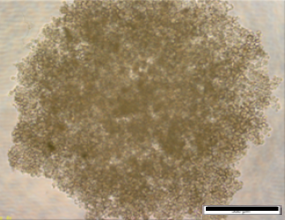
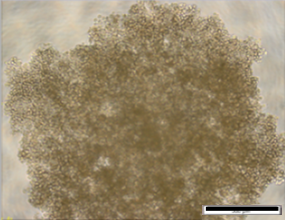
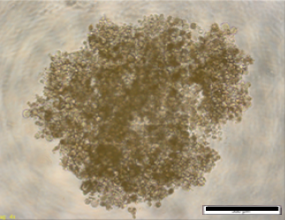
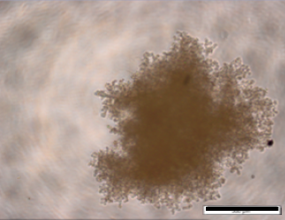
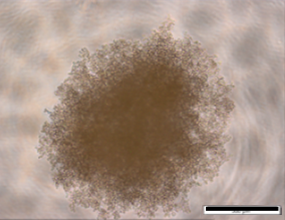
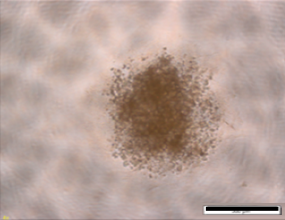
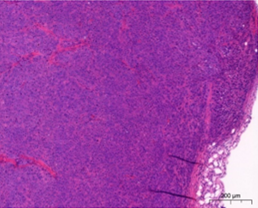
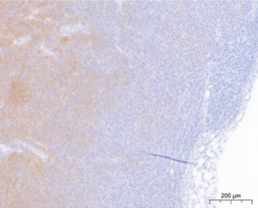
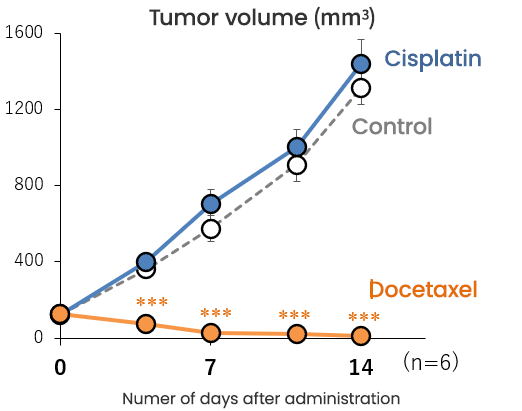
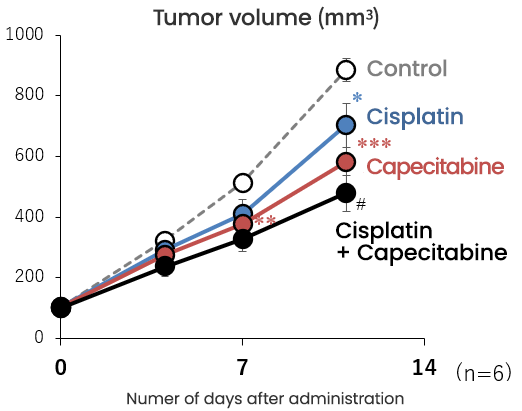
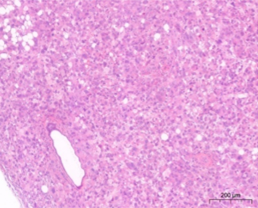
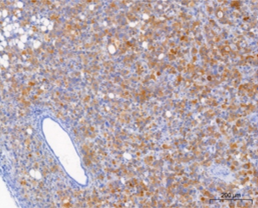
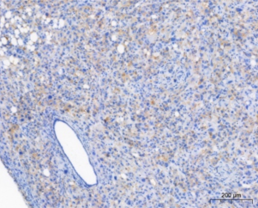
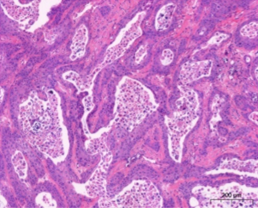
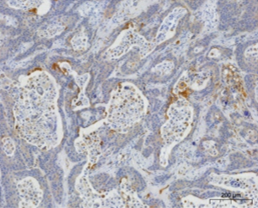
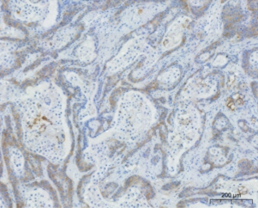
PDCs established by the National Cancer Center (Dr. Hiroki Sasaki) are cell lines from cells contained in ascites fluid of patients with ascites due to peritoneal dissemination of gastric or pancreatic cancer. They are stored at low passages and maintain a heterogeneous cell population including tumor cells. They are more similar to the cancer cells in the patient's cancer tissue than cultured cell lines, making them useful for evaluating the efficacy of anticancer drugs.

Features of PDC
- Cancer cells collected from a patient are passaged three or five times and transformed into a cell line.
- Cells up to 100 passages are used.
- Whole exome analysis and microarray (Affymetrix U133 Plus 2.0) are performed.
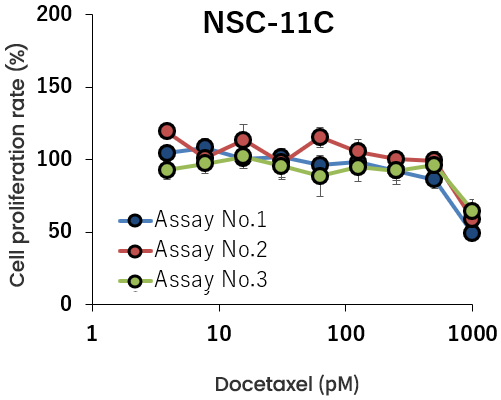
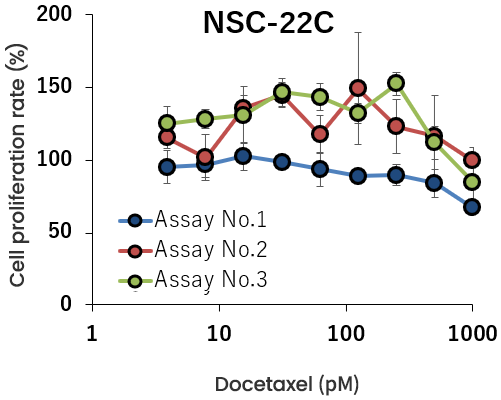
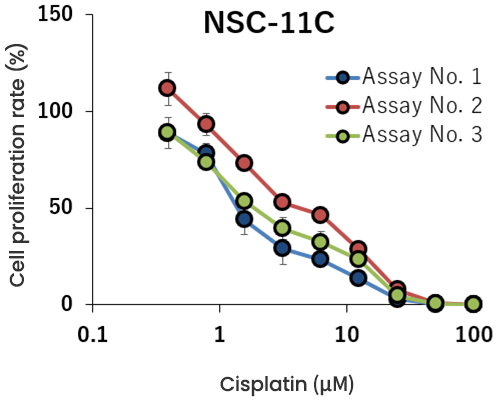
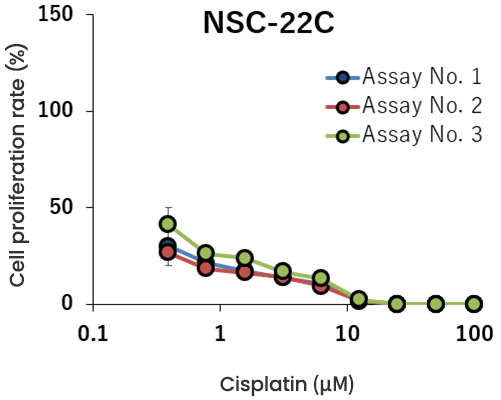
- In vitro (2D culture) drug efficacy evaluation is conducted in collaboration with the National Cancer Center (using cisplatin, docetaxel, gemcitabine, etc.).
PDC derived from ascites fluid of gastric cancer patients: 45 cell lines
Cell lines of diffuse type gastric cancer with poor prognosis as represented by scirrhous gastric cancer
References:
Tanaka Y, Chiwaki F, .., Sasaki H, Mano H. Multi-omic profiling of peritoneal metastasis in gastric cancer identifies molecular subtypes and therapeutic vulnerabilities. Nat. Cancer. 2021 Aug. doi.org/10.1038/s43018-021-00240-6.
Komatsu M, .., Sasaki H. ARHGAP–RhoA signaling provokes homotypic adhesion-triggered cell death of metastasized diffuse-type gastric cancer. Oncogene. 2022 Sept 20. doi.org/10.1038/s41388-022-02469-6.
PDC derived from ascites fluid of pancreatic cancer patients: 38 cell lines
36 cell lines of adenocarcinoma, 1 cell line of squamous cell carcinoma, 1 cell line of adenosquamous carcinoma
Reference:
Sasaki H. (ed.), Practical Guide for Cancer Research Using Patient-Derived Cancer Models, Yodosha, 2019.